

Blog
How Loneliness Affects Elderly Health

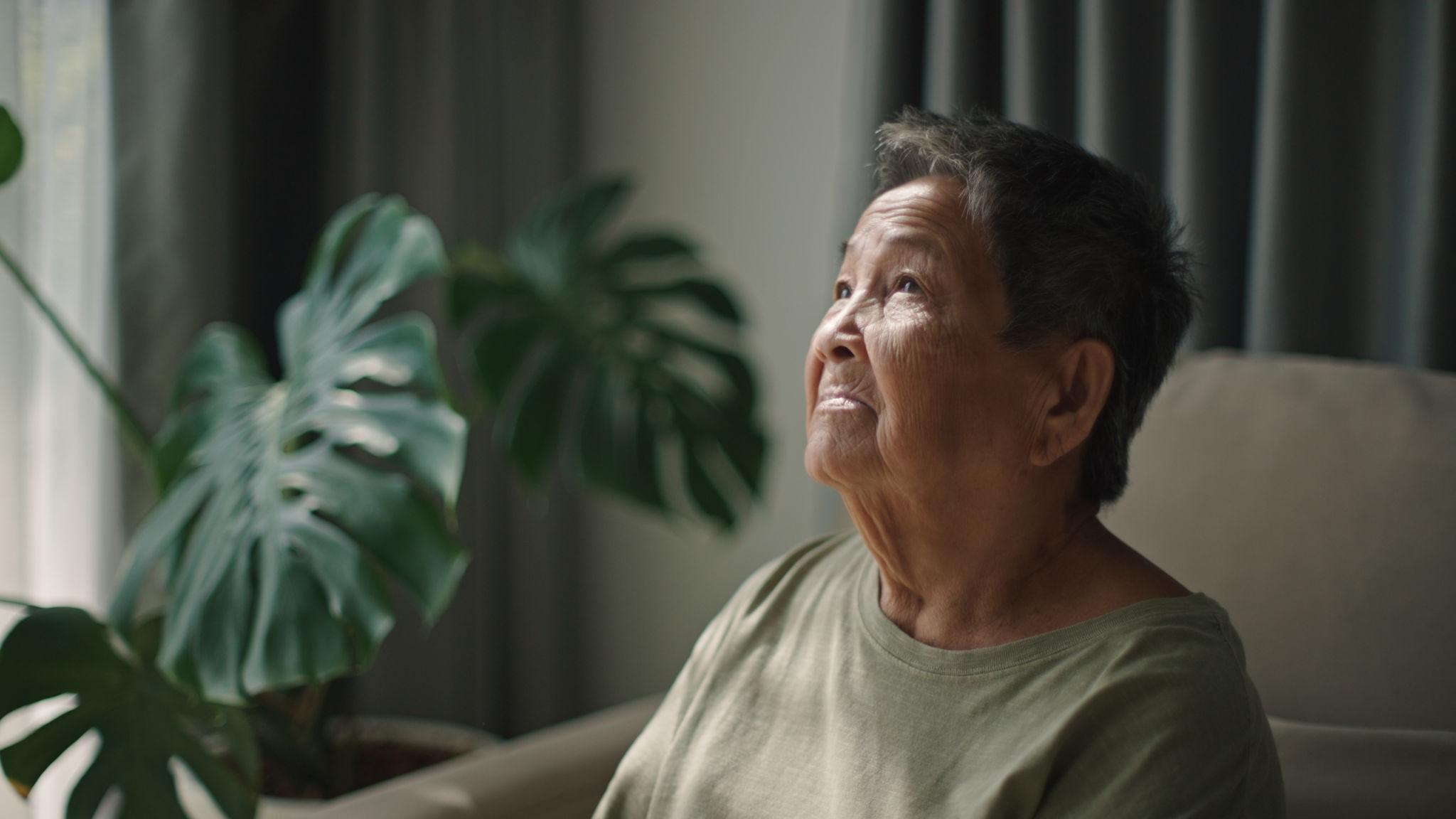
As people grow older, life naturally changes. Children move out, friends become fewer, and daily routines become quieter. While this may seem normal, loneliness in seniors is a serious issue that can deeply affect both emotional and physical health.
Loneliness is not just about being alone, it is about feeling disconnected, unsupported, and unseen. For many older adults, this feeling can slowly impact their overall well-being.
What is Loneliness in Seniors?
Loneliness happens when a person feels isolated, even if they are not physically alone. Seniors may experience this due to:
- Loss of a spouse or close friends
- Limited mobility or health issues
- Living far from family
- Lack of daily social interaction
Over time, this emotional gap can become harder to manage without proper support.
How Loneliness Affects Elderly Health
1. Mental Health Decline
Loneliness can lead to depression, anxiety, and memory problems. Seniors who feel isolated may lose interest in activities they once enjoyed.
2. Increased Risk of Physical Illness
Studies show that loneliness can increase the risk of:
- Heart disease
- High blood pressure
- Weakened immune system
When emotional health suffers, the body is also affected.
3. Poor Sleep Quality
Lonely seniors often experience trouble sleeping, which leads to fatigue and low energy throughout the day.
4. Loss of Appetite
Eating alone every day can reduce a senior’s appetite, leading to poor nutrition and weight loss
5. Faster Cognitive Decline
Lack of social interaction may contribute to memory loss and faster cognitive decline, increasing the risk of conditions like dementia.
Signs of Loneliness to Watch For
Family members should be aware of these common signs:
- Withdrawal from conversations or activities
- Changes in mood (sadness, irritability)
- Loss of interest in hobbies
- Sleeping too much or too little
- Lack of motivation
Recognizing these signs early can make a big difference.
How Home Care Can Help

Home care services provide more than just physical support—they offer companionship and emotional connection.
Caregivers can:
- Engage seniors in daily conversations
- Assist with errands and outdoor activities
- Encourage hobbies and routines
- Provide consistent companionship
Sometimes, a simple conversation or shared moment can greatly improve a senior’s day.
Simple Ways to Reduce Loneliness
Here are easy ways families can help:
- Schedule regular calls or visits
- Encourage social activities
- Introduce hobbies or light exercise
- Consider professional home care support
Small efforts can create a big emotional impact.
👉 Contact us today to learn how we can support your family.